01
Classify rain entry or backup
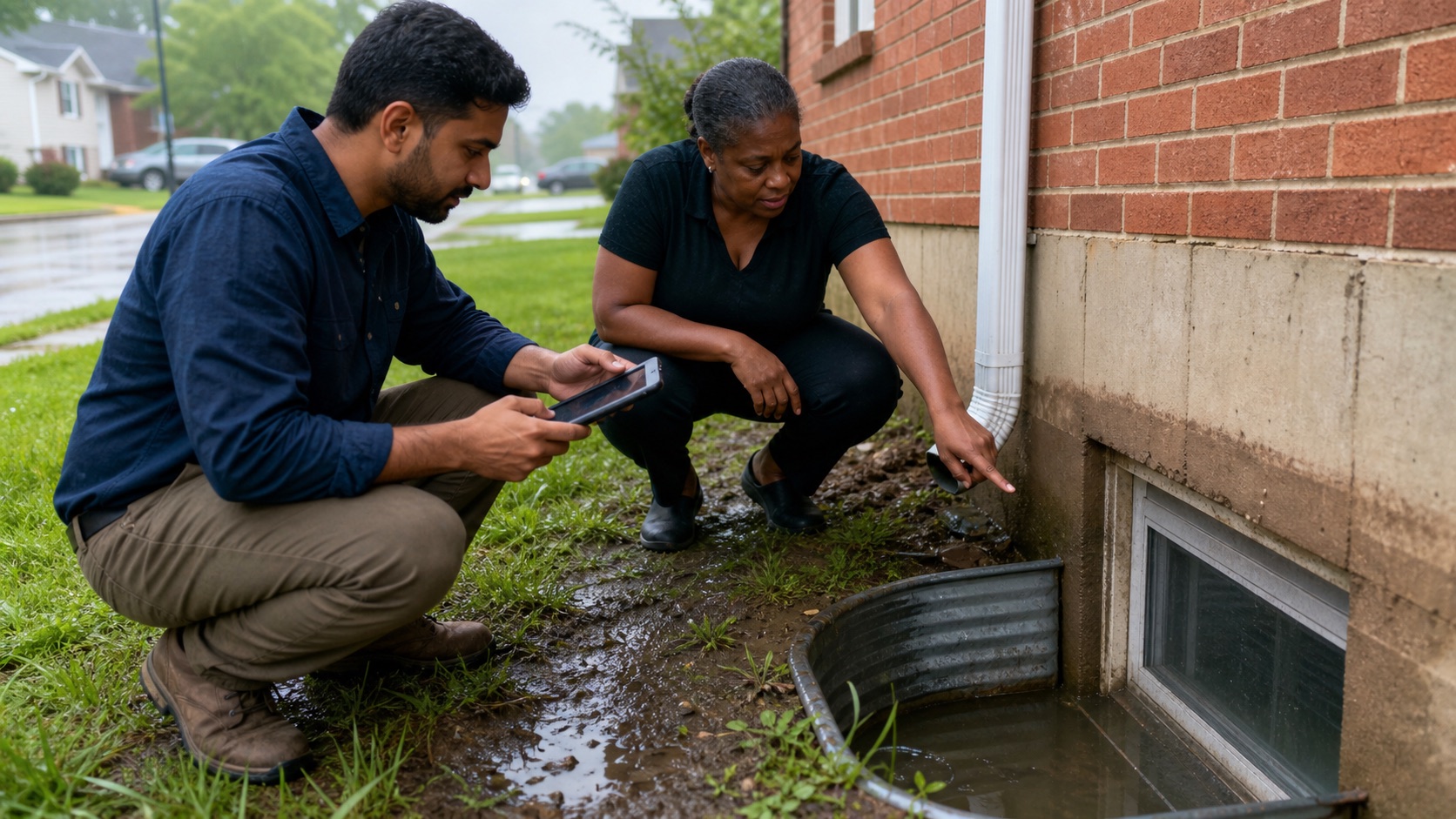
Brownsburg explains that intense rain or rapid snowmelt can affect remaining combined-sewer infrastructure. Water from a drain or sewer path must not be treated like clean roof runoff.
Indianapolis Metro restoration help
Brownsburg operates an MS4 stormwater program and also documents limited remaining combined-sewer conditions tied to White Lick Creek. After heavy rain, identifying whether water came from outdoors, a drain, or a building system changes the safety and sanitation plan.
What to expect
Brownsburg explains that intense rain or rapid snowmelt can affect remaining combined-sewer infrastructure. Water from a drain or sewer path must not be treated like clean roof runoff.
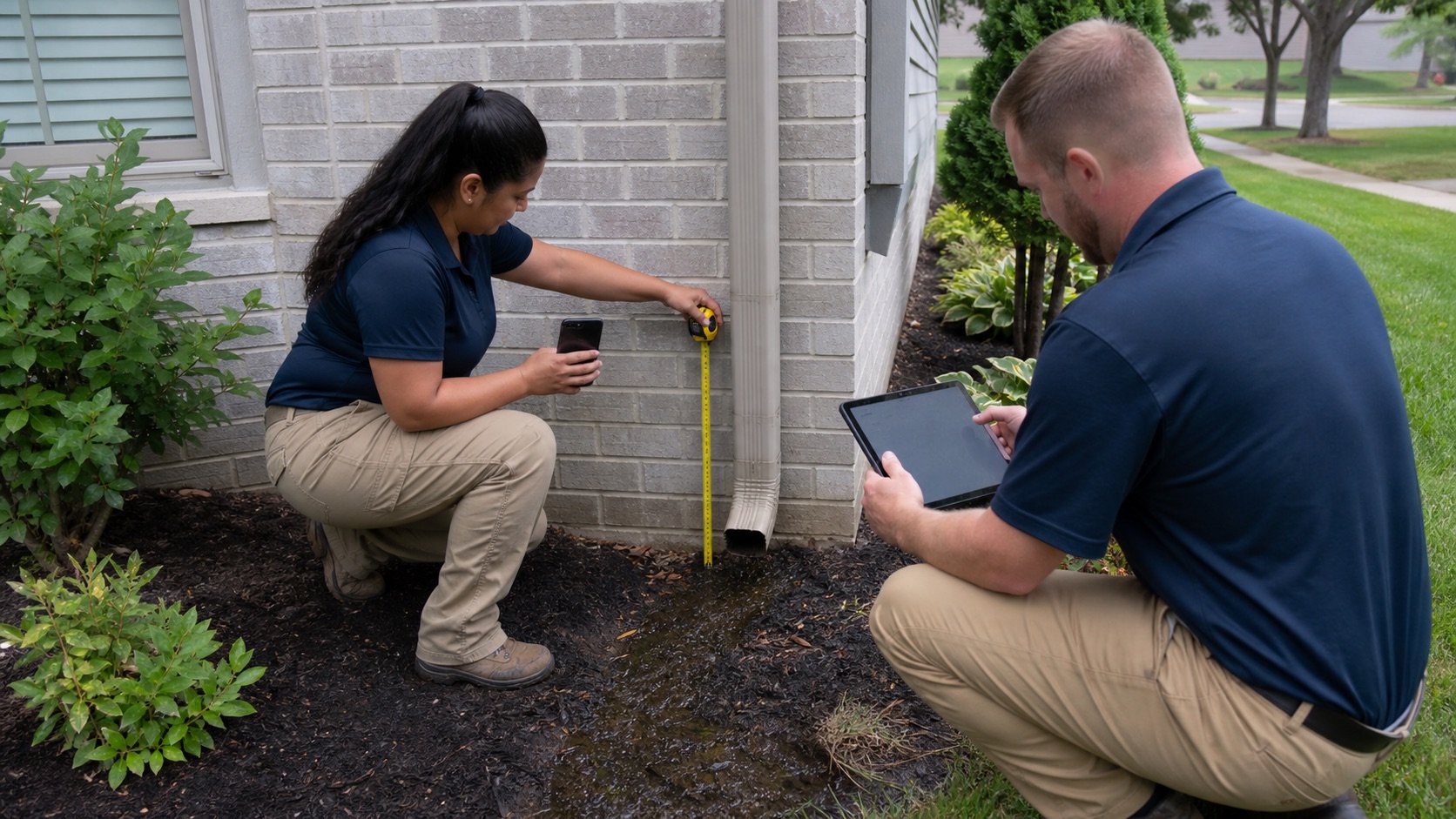
The town's stormwater and overflow materials identify White Lick Creek as a receiving waterway. We document exterior drains, low openings, plumbing fixtures, and the direction of travel.
Brownsburg accepts location-specific drainage reports and evaluates them case by case. The restoration file should preserve photos and measurements that can support a separate drainage inquiry.
When the source is uncertain, protective equipment, containment, material handling, and cleaning assumptions should remain conservative until the water category is resolved.
Nearby communities
Avon planning focused on White Lick Creek watersheds, hard-surface runoff, and a documented path from exterior drainage to interior damage.
↗02 / View local pagePlainfield planning informed by White Lick Creek, floodway-adjacent routes, and the difference between high-water entry and building-system leaks.
↗03 / View local pageZionsville planning that considers Eagle Creek, Upper White River watershed conditions, and exterior land-disturbance requirements.
↗04 / View local pageIndianapolis planning that starts with parcel flood context, mapped storm infrastructure, and the building-specific source of damage.
↗Ready when you are
Tell us the Brownsburg address, whether water appeared at a drain, fixture, doorway, or wall, and whether heavy rain or snowmelt preceded it. We will use that sequence to classify the loss.