01
Record the Eagle Creek context
The town identifies Eagle Creek as its main stream. A property's elevation, nearby drainage path, and observed water line provide better evidence than a broad assumption about the whole community.
Indianapolis Metro restoration help
Zionsville identifies Eagle Creek as the community's main stream and part of the Upper White River watershed. The local setting makes it important to document whether damage began with exterior runoff, a building opening, or an interior system.
What to expect
The town identifies Eagle Creek as its main stream. A property's elevation, nearby drainage path, and observed water line provide better evidence than a broad assumption about the whole community.
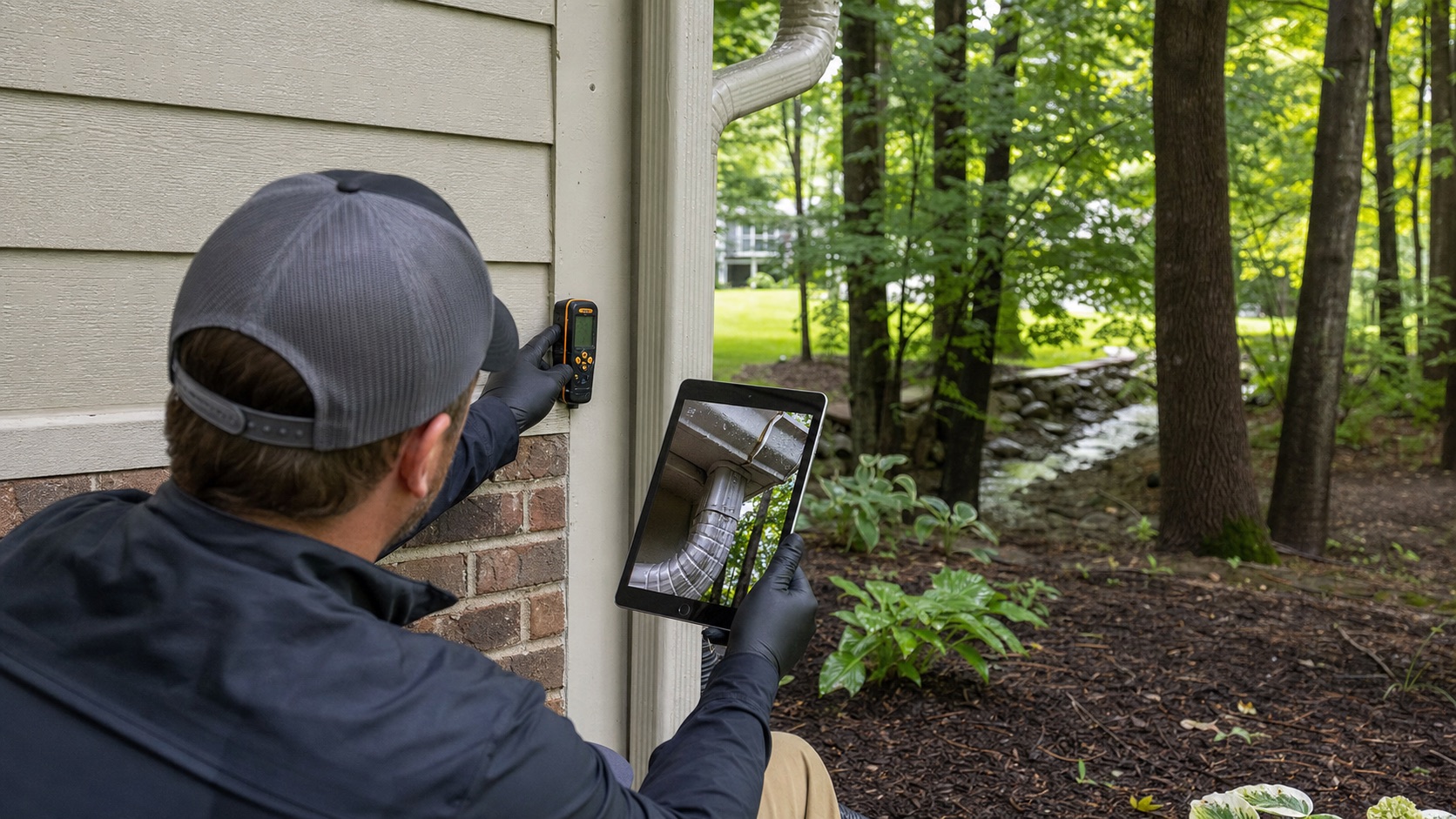
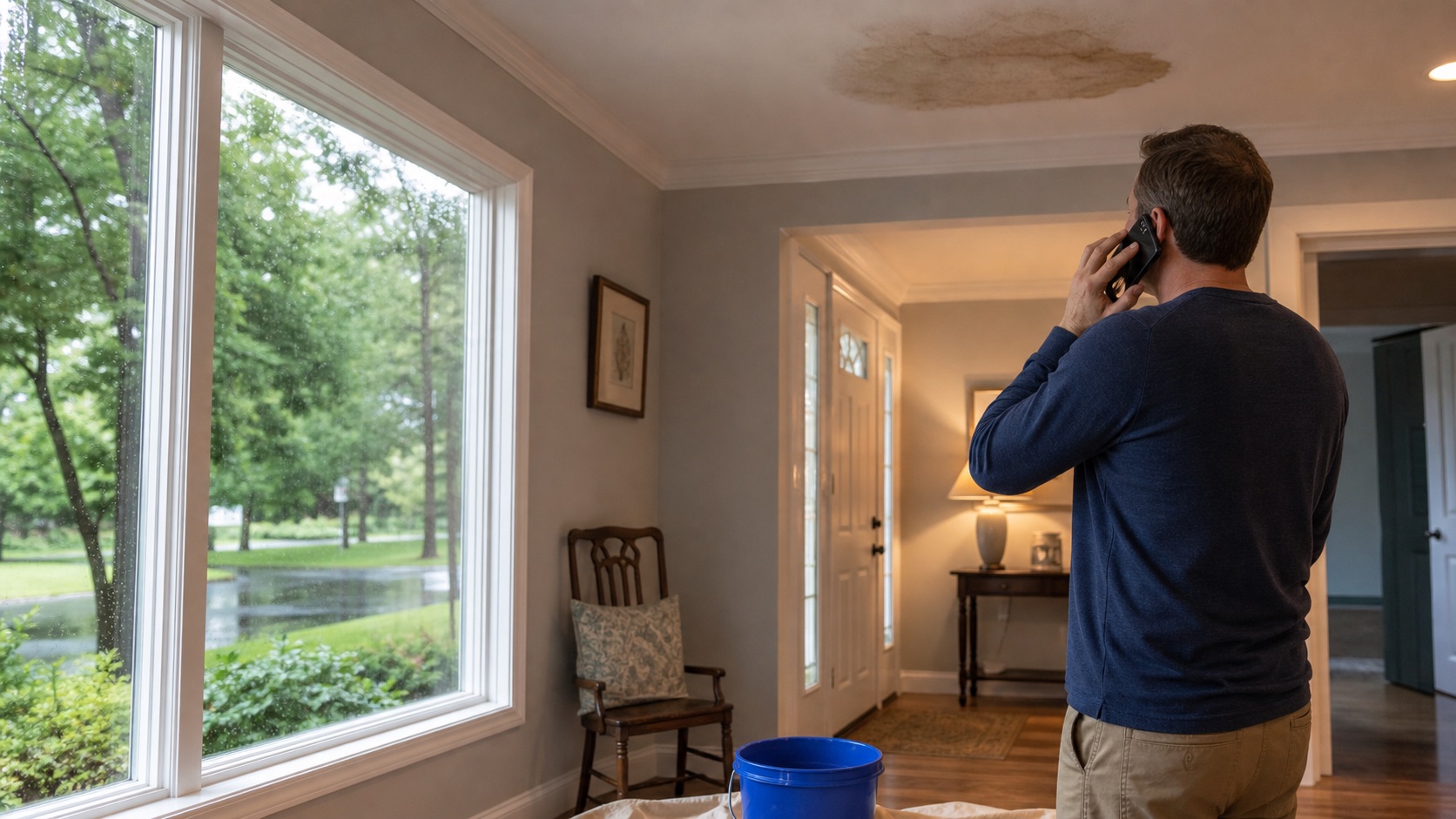
Wind-driven rain, roof or flashing openings, saturated ground, and plumbing failures can leave similar interior symptoms. Moisture mapping must follow the complete path.
Zionsville's stormwater program connects local drainage to the Upper White River watershed. Debris, wash water, and removed materials should be controlled during cleanup.
The town requires an individual-lot stormwater permit for certain land-disturbing work beginning at 10,000 square feet. Large exterior repair or grading scopes should be checked before work begins.
Nearby communities
Carmel restoration planning attentive to public storm drains, privately maintained neighborhood ponds, and local building review.
↗02 / View local pageWestfield planning informed by mapped pipes, ditches, detention systems, and the different access needs of homes and large facilities.
↗03 / View local pageBrownsburg planning that distinguishes rain entry, drainage issues, and possible backups within the White Lick Creek system.
↗04 / View local pageIndianapolis planning that starts with parcel flood context, mapped storm infrastructure, and the building-specific source of damage.
↗Ready when you are
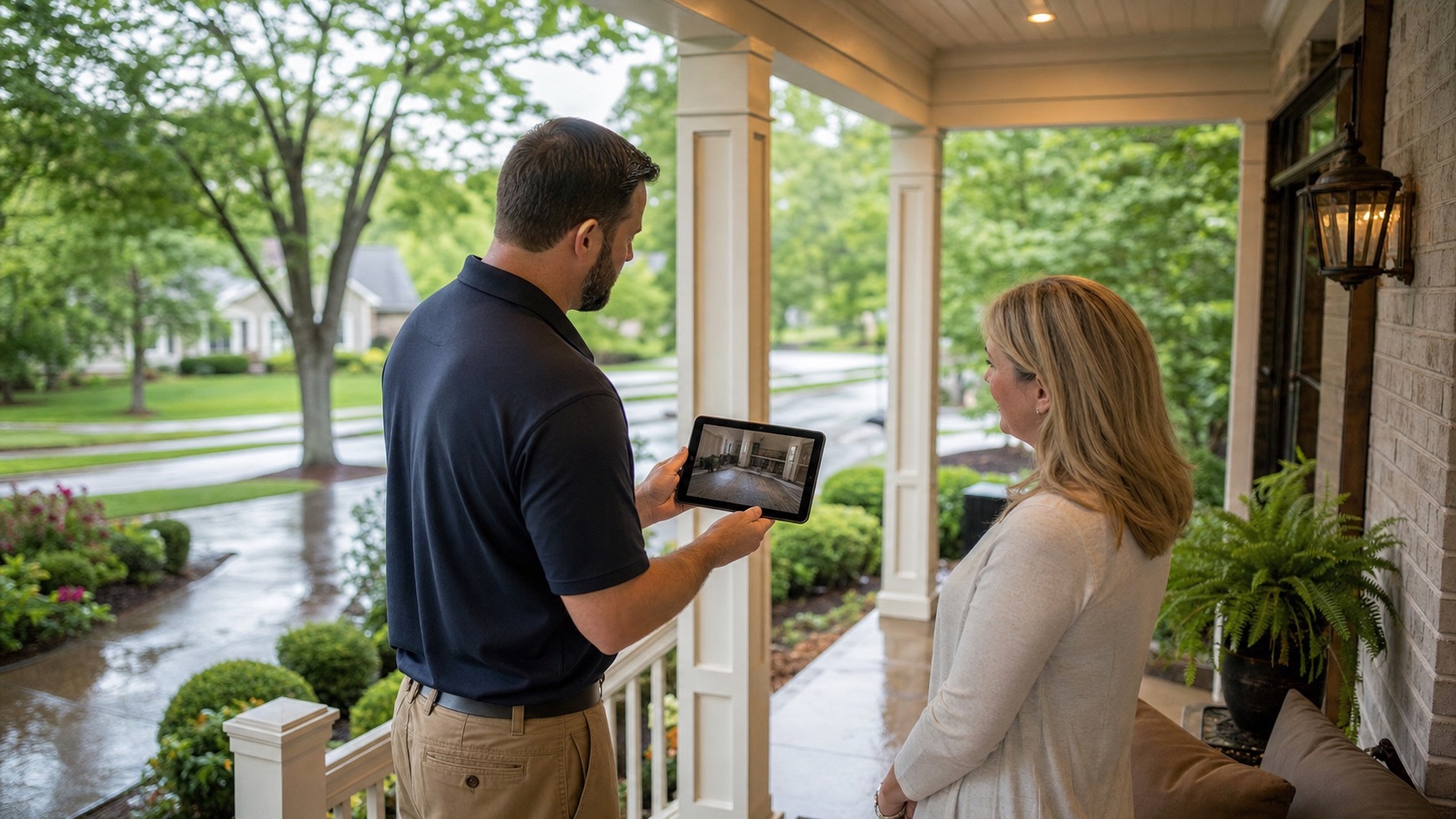
Share the Zionsville address, nearby creek or drainage features, and whether the event affected the roof, exterior grade, basement, or interior plumbing. We will organize the inspection around that path.